
On Ageing Beautifully
Some materials do not simply endure time. They collaborate with it.
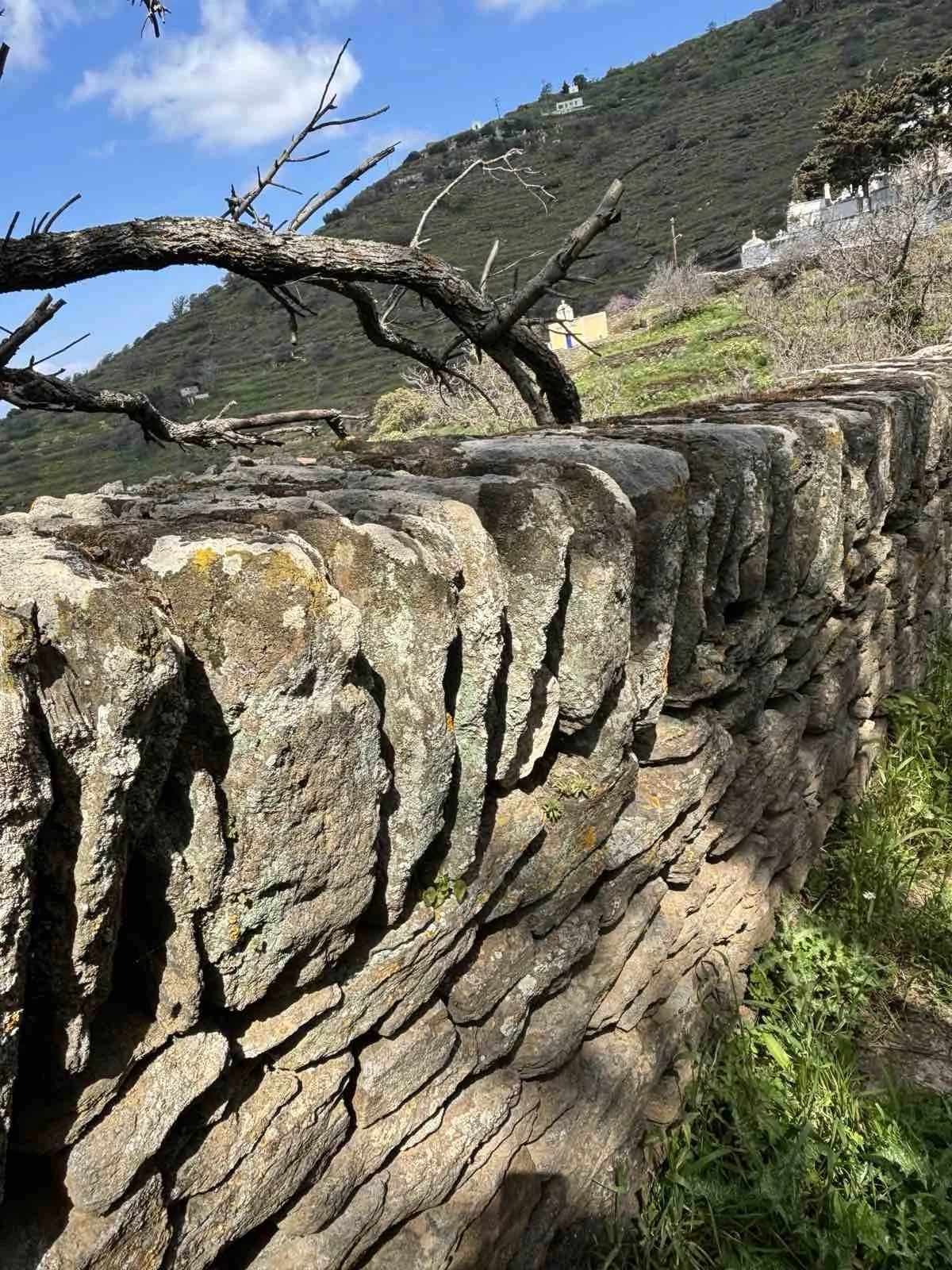
Kea Island: A dry- stone wall shaped by time, weather and care. Its strength lies not only in the stones themselves, but in the way they have settled into the landscape.
Architecture is often judged at the moment of completion: the first photograph, the clean surface, the precise alignment, the stillness before use begins. Yet this is only the first day of a building’s life. What matters equally — and perhaps more deeply — is what happens afterwards: how a building receives weather, use, repair, touch, neglect, care and time.
The way a building ages reveals something essential about the intentions behind it. Time exposes the depth of decisions. It shows whether a detail was truly considered or merely drawn. It reveals whether a material was chosen for its immediate effect or for the way it would continue to perform, transform, or remain composed through the years.
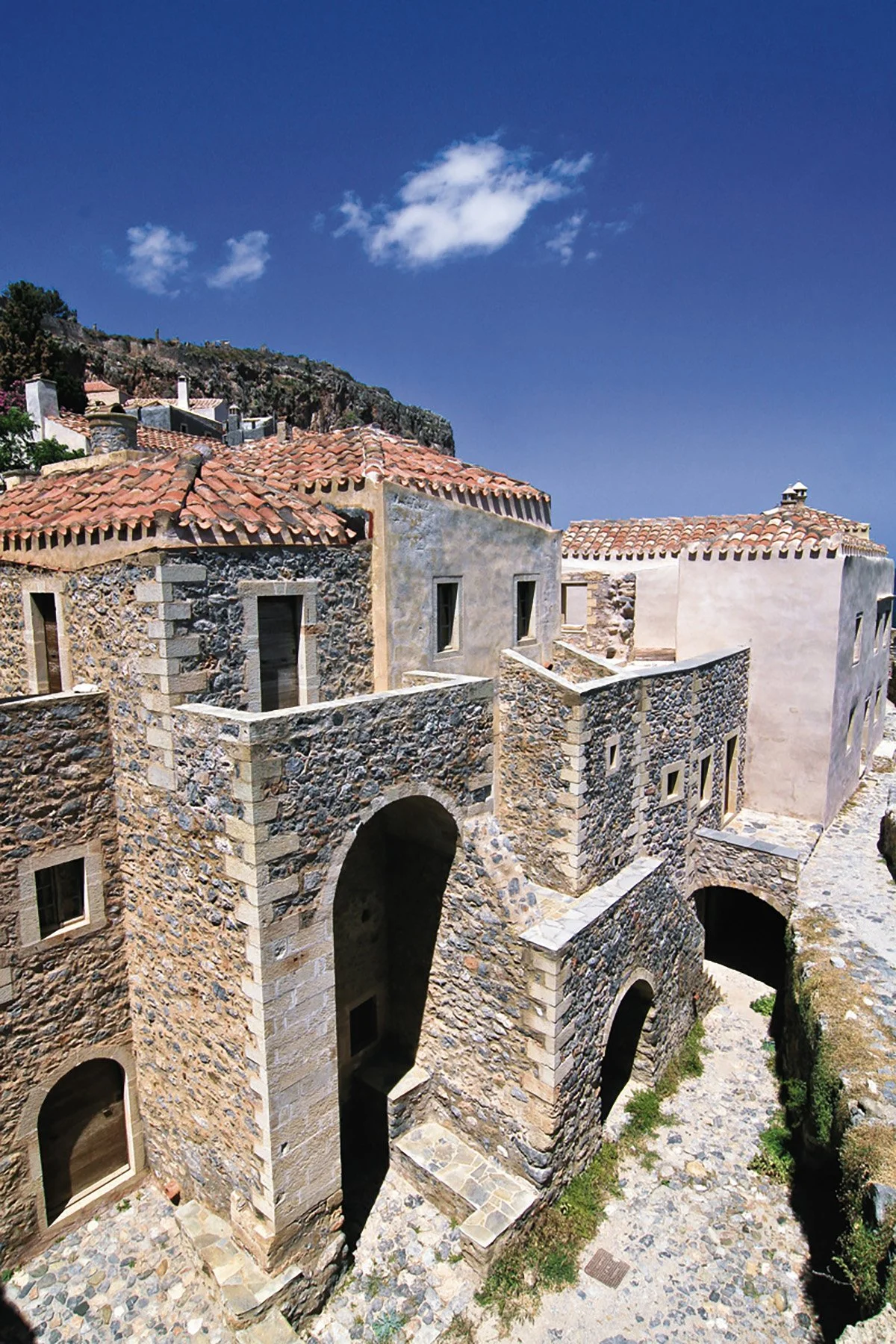
Monemvasia: An architectural landscape where stone, plaster and clay tile roofs form a continuity between building, settlement and place.
Some materials are beautiful because they change. Stone can gather humidity and dust in its joints; timber can carry the memory of load and weather; plaster can hold subtle traces of occupation. These changes may strengthen the relationship between a building and its place. They make matter more legible, more rooted, more quietly connected to the life around it.
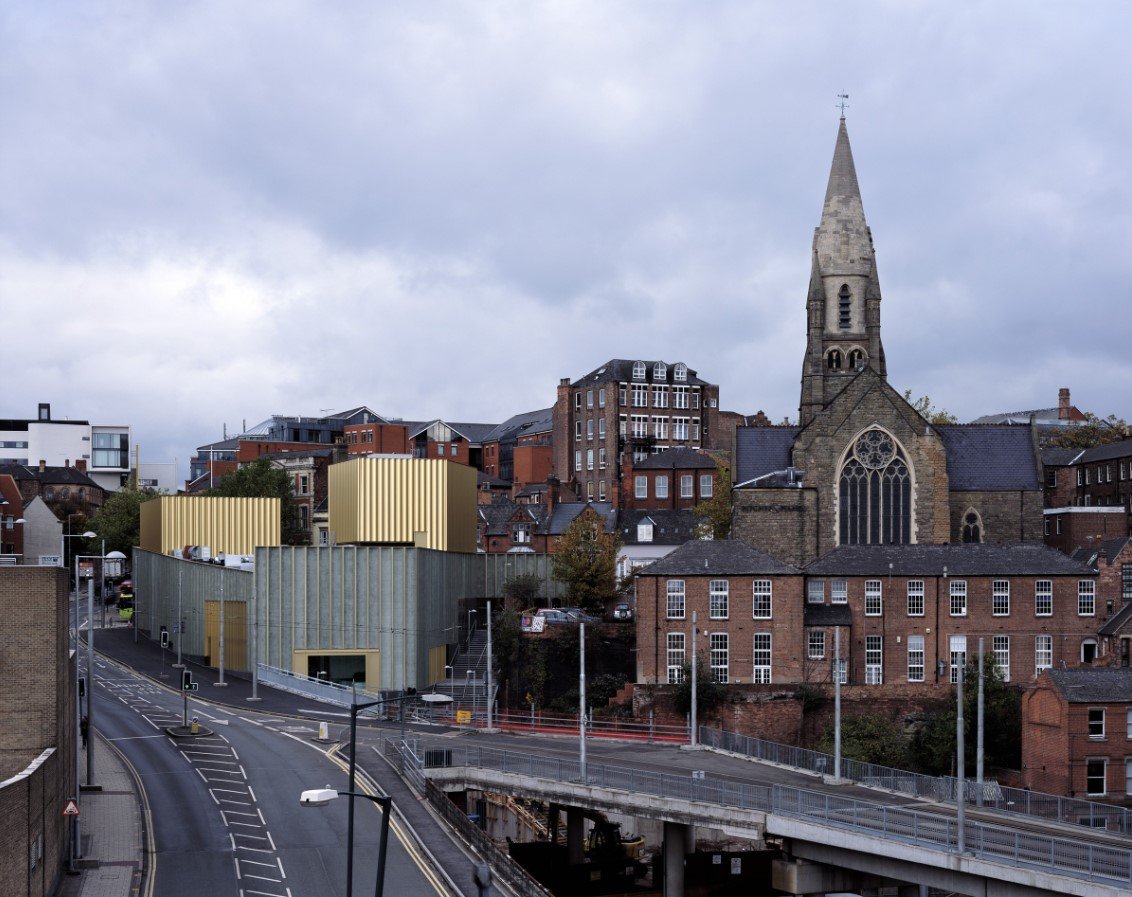
Nottingham Contemporary, by Caruso St John Architects: A contemporary building whose material presence belongs not only to its own time, but also to the older city around it.
Other materials are beautiful because they resist change. Contemporary architecture benefits enormously from technical progress. High-performance envelopes, precise industrial components, durable surfaces and carefully engineered assemblies allow buildings to remain stable, protected and comfortable for far longer than before. A building may age beautifully by developing a rich patina, but it may also age beautifully by remaining composed, technically sound and visually stable over time.
In both cases, the real question is duration.
A building should be conceived with an awareness of its future life.
It will be touched, cleaned, repaired, modified, exposed to seasons and inhabited by people whose habits can never be fully predicted. The first design decision is therefore never only aesthetic. It is also a decision about care.
When buildings are made only for immediate effect, they often reveal it very quickly. Their surfaces tire, their joints fail, their materials lose coherence. One by one, these small failures accumulate. Over time, they shape the human environment around us. Streets, neighborhoods and cities slowly absorb the consequences of decisions that were too short-term to care about what would follow.
This is where architecture carries a quiet responsibility. It is not only the making of form, but the making of a presence that will continue after the first impression has disappeared. A building does not need to look old in order to have depth. It does not need to change visibly in order to belong to time. But it should have been imagined with time in mind.
There is a particular value in buildings that can absorb life without losing dignity. Buildings that can remain meaningful as they change, or remain precise as they endure. Buildings whose materials, whether ancient or contemporary, natural or engineered, have been chosen with an understanding of what they will become.
Some buildings deteriorate.
Others age beautifully.