
The Architect at the Threshold
Architecture is not completed on paper.
It is tested when it becomes real.
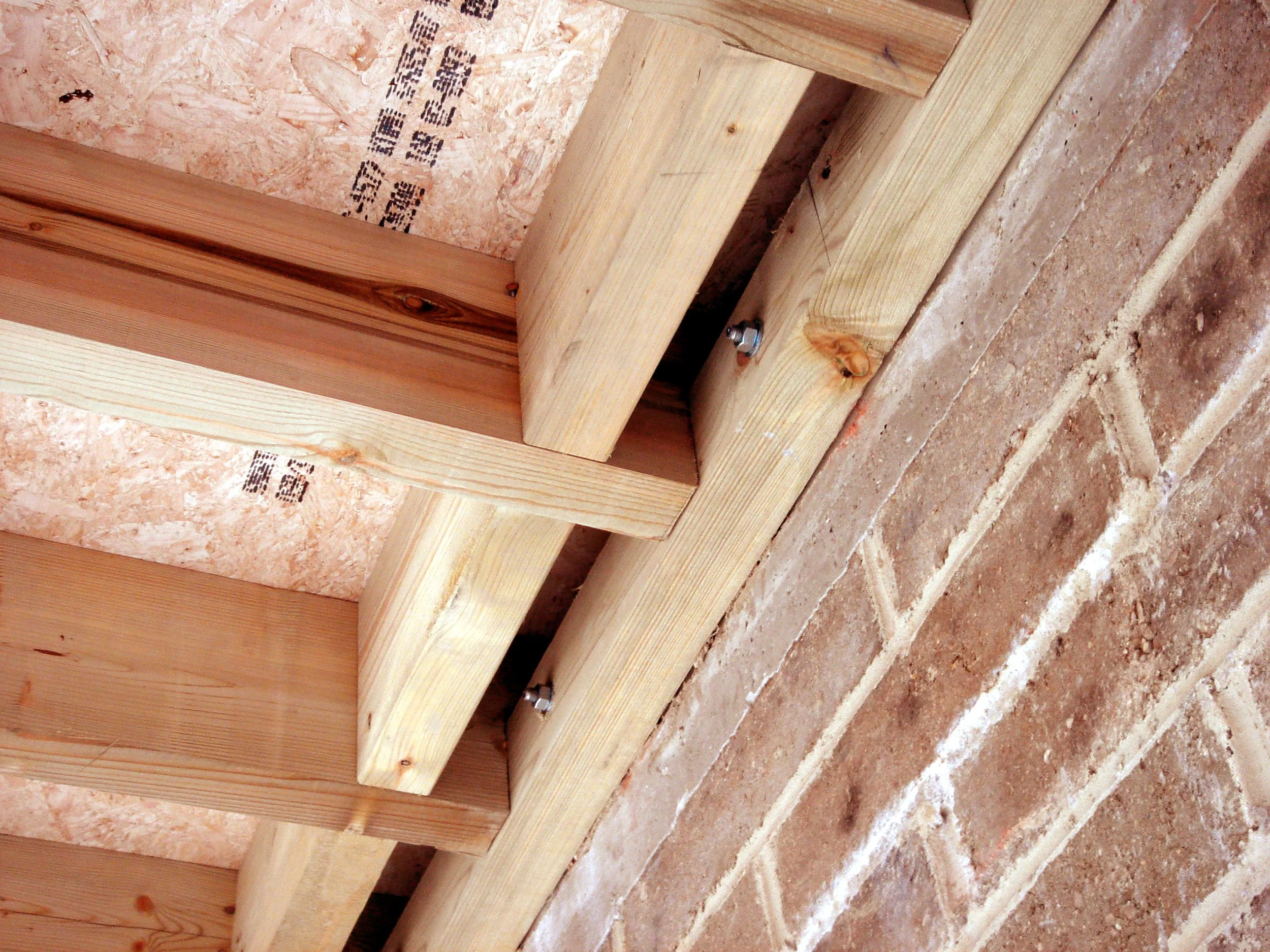
Where drawing begins to meet matter
A drawing can carry intention with remarkable precision. It can establish order, proportion and atmosphere before the first material arrives on site. Yet a building begins its true life when this intention enters the conditions of construction.
At that point, architecture passes through a difficult threshold. The clarity of the drawing meets the pressure of cost, regulation, workmanship and time. What appeared resolved in the studio has to be tested through decisions made in sequence. A small change in one place can disturb the balance elsewhere. A detail is rarely isolated. It belongs to the whole.
The architect’s position is defined by this passage from thought to reality.
This position requires more than design ability. It requires judgement. The architect has to understand the intention of the project deeply enough to protect it through change, while drawing together the knowledge of those who shape its structure, performance, energy, light, landscape and interior life. The building is conceived as one body, yet it can only be realised through many forms of expertise.
Some changes improve a building. Others weaken it quietly. The difference is often subtle, and it is found in the way a decision affects use, construction and the character of the completed work.
A building is made by many people. Each participant brings necessary knowledge. The value of this knowledge depends on coordination, timing and shared direction. The architect’s role is to keep the project legible as it moves through this collective process.
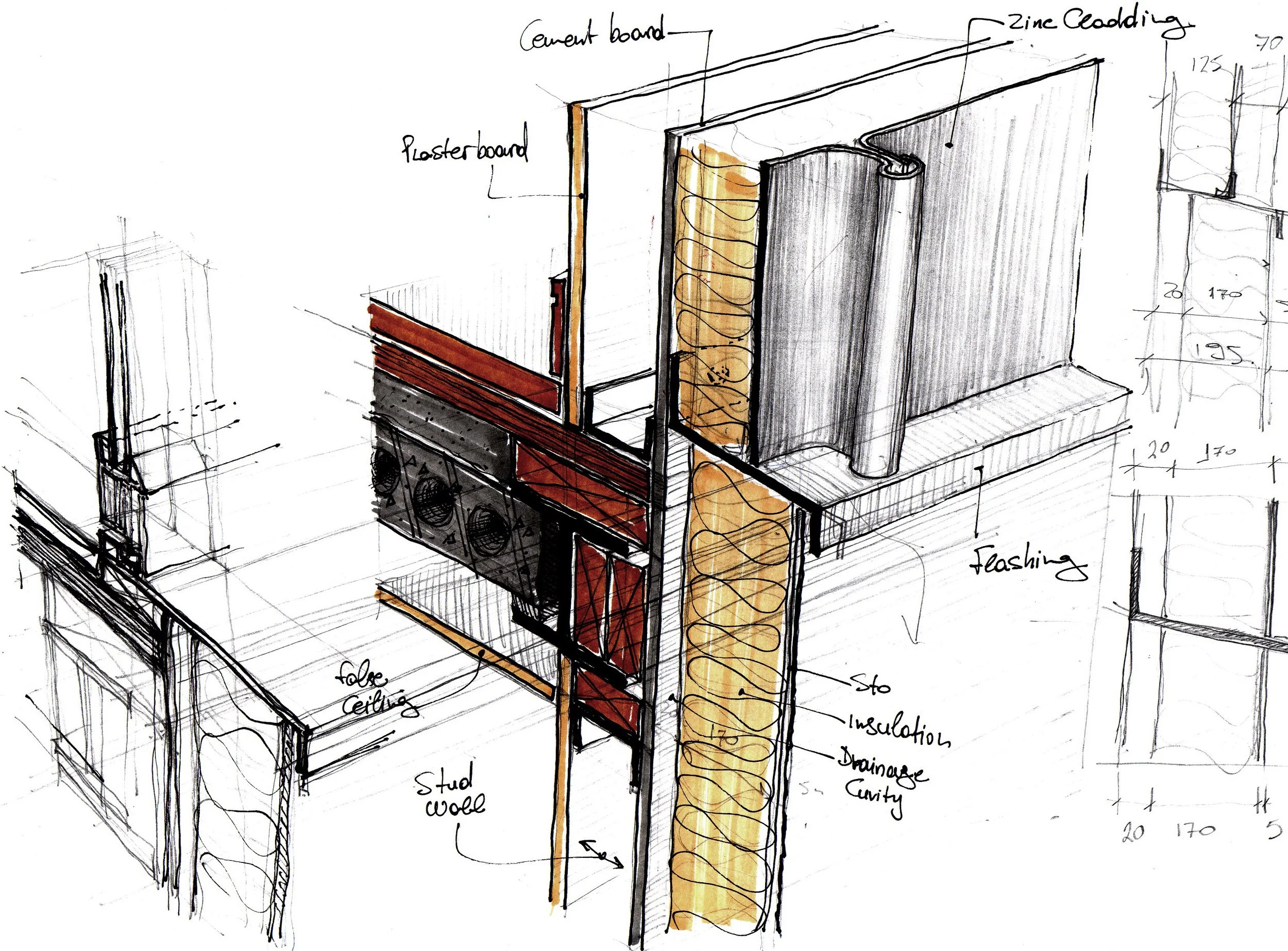
Detail study showing the passage from architectural intention to construction.
This is a form of stewardship.
It is expressed in the careful drawing of a junction, in the patience of a site conversation, in the ability to accept a better solution, and in the discipline to resist a poorer one. It is also expressed in the understanding that architecture belongs to its future use. The completed building will be inhabited, touched, maintained and judged through time.
For this reason, architectural responsibility extends beyond the first idea. It continues through the moments where the work becomes vulnerable: during coordination, pricing, detailing and construction. These stages do not come after architecture. They are part of architecture.
A project reaches completion when its original thought has survived the passage into matter. It may have changed along the way, but it should arrive with its inner coherence intact. The task of the architect is to guide that passage with care, so that the building becomes real without losing the reason for which it was imagined.